Choosing the right sweetener for low-sugar beverage formulations depends on more than sweetness intensity. Erythritol is a bulk polyol that contributes sweetness and mouthfeel, while Sucralose and Acesulfame K are high-intensity sweeteners used at much lower concentrations. For beverage manufacturers, the best choice depends on the target sweetness, taste profile, solubility, processing conditions, labeling requirements, and total formulation cost. In many applications, combining a bulk sweetener with one or more high-intensity sweeteners provides a more balanced solution than using a single ingredient.
As consumer demand for reduced-sugar soft drinks, flavored water, functional beverages, and ready-to-drink products continues to influence product development, food manufacturers need a systematic approach to sweetener selection. Understanding the functional differences between these three ingredients helps R&D teams develop consistent, commercially viable beverage formulations.
Understanding the Three Main Sweeteners
Although all three ingredients can be used in reduced-sugar food and beverage development, they perform different functions in a formulation. Their sweetness intensity, physical properties, and sensory characteristics determine where each ingredient delivers the most value.
| Sweetener | Sweetness vs. Sucrose | Main Function | Key Characteristic |
|---|---|---|---|
| Erythritol | Approximately 60–70% | Bulk sweetening | Mild sweetness and cooling sensation |
| Sucralose | Approximately 600 times | High-intensity sweetening | Strong sweetness and broad pH stability |
| Acesulfame K | Approximately 200 times | High-intensity sweetening | Fast sweetness perception and useful blending properties |
These sweetness ratios are approximate reference values, not fixed formulation conversion factors. Actual perceived sweetness depends on concentration, beverage acidity, flavor composition, temperature, and the presence of other sweeteners.
Erythritol: A Bulk Sweetener for Low-Sugar Beverages
Erythritol is a sugar alcohol (polyol) naturally found in small amounts in certain fruits and fermented foods. It is commercially produced through fermentation and is widely used as a sugar substitute in food manufacturing.
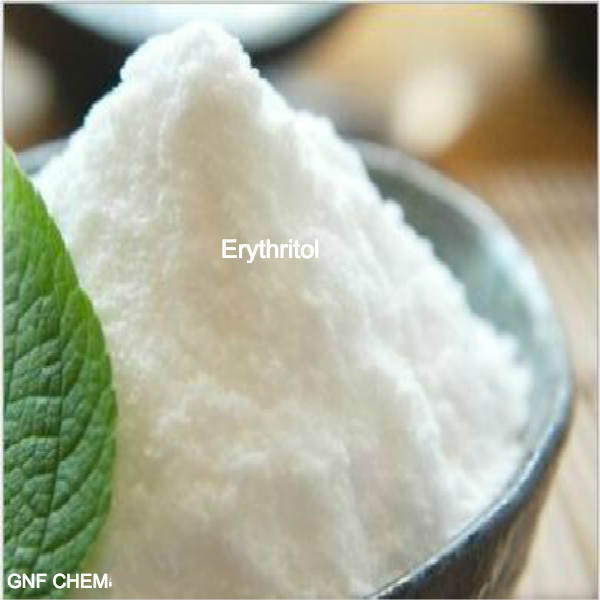
Erythritol – Food Grade Sweetener
Key functional properties:
- Provides bulk and contributes to the overall solids content of a formulation.
- Has a relatively mild sweetness compared with sucrose.
- Produces a noticeable cooling sensation when dissolved in the mouth.
- Can be used in powdered beverage mixes and selected ready-to-drink beverages.
- Offers a useful alternative to conventional sugar in reduced-sugar product development.
For beverage manufacturers, erythritol is particularly useful when reducing sugar would otherwise make a product feel too thin or watery. However, it does not reproduce every functional property of sucrose. It cannot independently provide the same sweetness intensity, viscosity, or solids contribution at all replacement levels.
Formulation consideration: Its cooling sensation can work well in mint, citrus, and refreshing beverage profiles, but may be less desirable in certain creamy, tea-based, or delicate fruit formulations. Its solubility should also be evaluated at the actual storage temperature, particularly for concentrated beverages and products with high dissolved-solids content.
GNF Chemical supplies food-grade erythritol with a listed assay of at least 99% on a dry basis. The product specification also identifies a white crystalline powder appearance, pH of 5.0–7.0, and a 25 kg packaging option. These parameters provide a useful starting point for supplier qualification.
Sucralose: High Sweetness with Good Processing Stability
Sucralose is a high-intensity sweetener approximately 600 times sweeter than sucrose. Because only a small quantity is required to achieve the desired sweetness, it is widely used in sugar-reduced and sugar-free beverage formulations.

Sucralose – Beverage Grade Sweetener
Why beverage manufacturers choose sucralose:
- High sweetness intensity allows low inclusion levels.
- Provides a practical solution for sugar-reduced and zero-sugar beverages.
- Shows good stability across a relatively broad range of processing conditions and pH levels.
- Can be incorporated into carbonated drinks, flavored water, powdered beverages, and ready-to-drink products.
One important advantage is its processing flexibility. Acidic beverage systems, which commonly contain citric acid or other acidulants, require sweeteners that maintain their performance throughout processing and storage. Sucralose is often considered for these applications because of its favorable stability characteristics.
Nevertheless, sweetness intensity alone does not guarantee a satisfactory flavor profile. A sucralose-only formulation may require adjustments to flavor components, acidity, and mouthfeel to achieve the intended sensory result.
GNF Chemical offers sucralose under CAS No. 56038-13-2. Its listed product specification includes an assay range of 98.0–102.0%, moisture not exceeding 2.0%, and heavy metal and microbiological testing parameters. Buyers should request the current batch COA and confirm that the product specification meets the requirements of their destination market.
Acesulfame K: A Practical Option for Sweetener Blending
Acesulfame potassium, commonly called Acesulfame K or Ace-K, is a high-intensity sweetener approximately 200 times sweeter than sucrose. It is frequently used in beverages and other food applications, particularly in combination with other sweeteners.

Acesulfame K – Food Additive Grade
Main functional advantages:
- Delivers sweetness at relatively low addition levels.
- Is readily soluble in water, making it practical for beverage processing.
- Provides a relatively rapid sweetness response.
- Can complement other high-intensity sweeteners in blended formulations.
- Offers useful stability under many common food processing conditions.
Acesulfame K can develop a slightly bitter or lingering aftertaste when used at unsuitable concentrations. This is one reason formulation developers frequently evaluate it alongside sucralose rather than relying on a single sweetener.
For carbonated soft drinks, flavored water, instant tea, and other beverage products, Ace-K can help build the desired sweetness profile when its dosage is carefully adjusted. The final concentration should be determined through sensory testing and checked against the applicable food additive limits.
Should Beverage Manufacturers Use One Sweetener or a Blend?
For many low-sugar beverage applications, combining sweeteners can provide better sensory results than using one ingredient alone. Different sweeteners contribute different sweetness onset, intensity, persistence, and mouthfeel characteristics.
Three practical formulation approaches include:
Approach 1: Erythritol + Sucralose
This combination is worth evaluating when a beverage requires both some bulk contribution and high sweetness intensity. Erythritol provides solids and a mild cooling effect, while sucralose supplies the sweetness that erythritol alone may not achieve. It can be considered for powdered drink mixes and selected flavored beverages.
Approach 2: Sucralose + Acesulfame K
This is a common high-intensity sweetener combination. The two ingredients have different sweetness profiles and can complement each other. Beverage developers can adjust their relative proportions to improve sweetness balance and reduce undesirable aftertaste. The optimum ratio must be established through sensory trials rather than assumed in advance.
Approach 3: Erythritol + Sucralose + Acesulfame K
A three-component system can be considered when a formulation needs bulk, sweetness intensity, and a more controlled sensory profile. This approach offers greater formulation flexibility, but it also requires careful control of solubility, total solids, ingredient interactions, and applicable regulatory limits.
Importantly, replacing sugar with high-intensity sweeteners does not automatically restore the body, viscosity, or flavor release previously provided by sugar. Depending on the beverage, manufacturers may need to evaluate additional ingredients such as soluble fibers, hydrocolloids, or suitable flavor modifiers.
How to Select Sweeteners for Different Beverage Applications
| Beverage Type | Sweetener to Evaluate | Formulation Priority |
|---|---|---|
| Carbonated Soft Drinks | Sucralose + Ace-K | Sweetness balance and acid stability |
| Flavored Water | Sucralose or a suitable blend | Clean sweetness and low flavor interference |
| Powdered Drink Mixes | Erythritol + high-intensity sweetener | Powder handling, dissolution and mouthfeel |
| Functional Beverages | Sucralose or blended systems | Compatibility with active ingredients and acidity |
| Low-Sugar Fruit Drinks | Sucralose + Ace-K or erythritol blends | Fruit flavor balance and sweetness persistence |
These are starting points for formulation development, not universal recipes. Each beverage requires its own stability, sensory, and regulatory assessment.
Quality Standards and B2B Sweetener Procurement Considerations
For beverage manufacturers, selecting the correct sweetener also means selecting a supplier capable of providing consistent food-grade raw materials. Variations in purity, moisture, particle size, and impurities can affect processing efficiency and finished-product consistency.
Before placing a bulk order, procurement teams should review the following:
- Product identity: Confirm the ingredient name, CAS number, food-grade designation, and applicable additive identification.
- Assay and purity: Check the assay range against the agreed product specification and relevant food-grade requirements.
- Physical properties: Review appearance, solubility, moisture, pH, and particle characteristics where applicable.
- Contaminant limits: Check heavy metals, arsenic, lead, and other relevant impurity requirements.
- Microbiological quality: Request appropriate microbial test results, particularly for ingredients used in beverage production.
- Regulatory documentation: Verify compliance with the importing country's food additive regulations, permitted applications, and maximum use levels.
- Batch traceability: Request a current COA, batch number, manufacturing information, and supporting quality documents.
- Supply capability: Evaluate MOQ, packaging, production capacity, lead time, storage conditions, and export experience.
Regulatory compliance deserves particular attention. In the United States, FDA lists sucralose and acesulfame potassium as approved food additive sweeteners under specified conditions of use. The FDA reference ADIs are 5 mg/kg body weight per day for sucralose and 15 mg/kg body weight per day for Ace-K. These are exposure-based safety reference values, not recommended beverage addition rates. Erythritol is regulated under a different framework as a sugar alcohol. Requirements and permitted uses vary between markets, so manufacturers should check the current regulations of their target countries before finalizing a formulation.
For international buyers, supplier documentation should be reviewed alongside the applicable standards, including relevant FCC, JECFA, national food-grade specifications, and customer-specific requirements. Certifications such as ISO 22000, FSSC 22000, HALAL, and KOSHER should also be verified for their actual scope and validity rather than assumed from a general supplier statement.
Why Work with GNF Chemical for Food-Grade Sweeteners?
GNF Chemical is a China-based supplier of food additives and ingredients, serving international customers across the food, beverage, nutrition, and related industries.
Its sweetener portfolio covers both high-intensity sweeteners and polyol alternatives, including erythritol, sucralose, and Acesulfame K. This product range allows beverage manufacturers, ingredient distributors, importers, and wholesale buyers to evaluate multiple sweetening options through one sourcing channel.
GNF Chemical identifies the following B2B supply services:
- Bulk food ingredient supply for manufacturers and distributors.
- 25 kg bags, drums, and customized packaging options, subject to product availability.
- COA and relevant product quality documentation.
- Export-oriented logistics and international order coordination.
- Product samples and technical specification inquiries for qualified buyers.
For procurement managers and beverage R&D teams, the practical next step is to compare product specifications, request representative samples, and conduct small-scale formulation trials before confirming commercial quantities.
Frequently Asked Questions About Beverage Sweeteners
1. Which sweetener is best for low-sugar beverages?
There is no single best option for every beverage. Sucralose is useful when high sweetness intensity and processing flexibility are priorities. Acesulfame K is often evaluated in combination with other sweeteners, while erythritol is suitable when additional bulk and a mild sweetness profile are required.
2. Can erythritol replace sugar completely in beverages?
Erythritol can replace part or, in selected formulations, a substantial proportion of conventional sugar. However, its lower sweetness intensity and different functional properties mean that additional sweeteners or texture adjustments may be needed to reproduce the desired beverage profile.
3. Can sucralose and Acesulfame K be used together?
Yes. They are commonly evaluated as a high-intensity sweetener blend. Their different sensory characteristics can help create a more balanced sweetness profile. The optimum ratio depends on the beverage base, acidity, flavor system, and target sweetness.
4. Which sweetener is suitable for acidic beverages?
Sucralose is frequently considered for acidic beverage systems because of its favorable pH stability. Acesulfame K can also be used in suitable beverage applications. Actual performance should be verified through accelerated and real-time stability testing under the intended formulation and storage conditions.
5. What documents should buyers request when purchasing food-grade sweeteners?
Buyers should request a current Certificate of Analysis (COA), product specification, CAS number confirmation, relevant food safety and quality certificates, contaminant and microbiological test results, and applicable regulatory documentation. Additional documents may be required depending on the importing market.
6. What is the typical bulk packaging for these sweeteners?
Food-grade sweeteners are commonly supplied in 25 kg bags or other suitable industrial packaging, depending on the ingredient and supplier. Buyers should confirm the available packaging, MOQ, pallet configuration, and shipping conditions before ordering.
Build a Better Low-Sugar Beverage Formula
Choosing between erythritol, sucralose, and Acesulfame K requires a clear understanding of their different formulation functions. Erythritol contributes bulk and mild sweetness, sucralose delivers high sweetness intensity with useful processing stability, and Acesulfame K offers another effective high-intensity option for balanced sweetener systems.
For beverage manufacturers, the most effective approach is to evaluate sweetness, mouthfeel, solubility, processing stability, regulatory compliance, and ingredient cost together. Working with a qualified food ingredient supplier can also simplify product evaluation and bulk procurement. Contact GNF Chemical to request product specifications, COA documentation, and bulk quotations for your next low-sugar beverage development project.
Looking for Reliable Sweetener Supply for Beverage Manufacturing?
GNF Chemical supplies food-grade sweeteners for beverage manufacturers, food ingredient distributors, and international wholesale buyers. Contact our team for product specifications, samples, and bulk pricing.
Technical references: